
Backwards compatibility is neat, but I'd grab an original PS1 rather than listening to people saying "just buy a PS2"
By rights, the original PlayStation should be an icon, but I can't help but feel the PS1 lives in the shadow of the PlayStation 2. After all, the latter is the best-selling console of all time, not to mention it can run its predecessor's library thanks to backwards compatibility. However, I need everyone to stop telling new players to just "pick up a PS2", as if you're specifically looking to play those original black discs; it could end in tears.
That's not to say that if you've already sussed out how to play PS2 games on original hardware, you can't use it for PS1 discs. The sequel system has the same MIPS R3000A microprocessor as the '90s retro console, and that means it can run 98% of the OG PlayStation library. The problem is that various other hardware differences can get in the way of you playing certified classics, and the issues stem from subtle differences with the PlayStation 2 outside of backwards compatibility.
When I first got my hands on the mighty PlayStation 2, it evicted every other console from my CRT TV trolley. Luckily, I've never gotten rid of a console in my life, so upon running into various weird hiccups with PS1 games, including even Tomb Raider 2, I fetched the original and popped it on top of its successor. To this day, I still use a separate system for PlayStation discs, and if you're serious about that specific library, you probably should too.
Laser tolerance turmoil
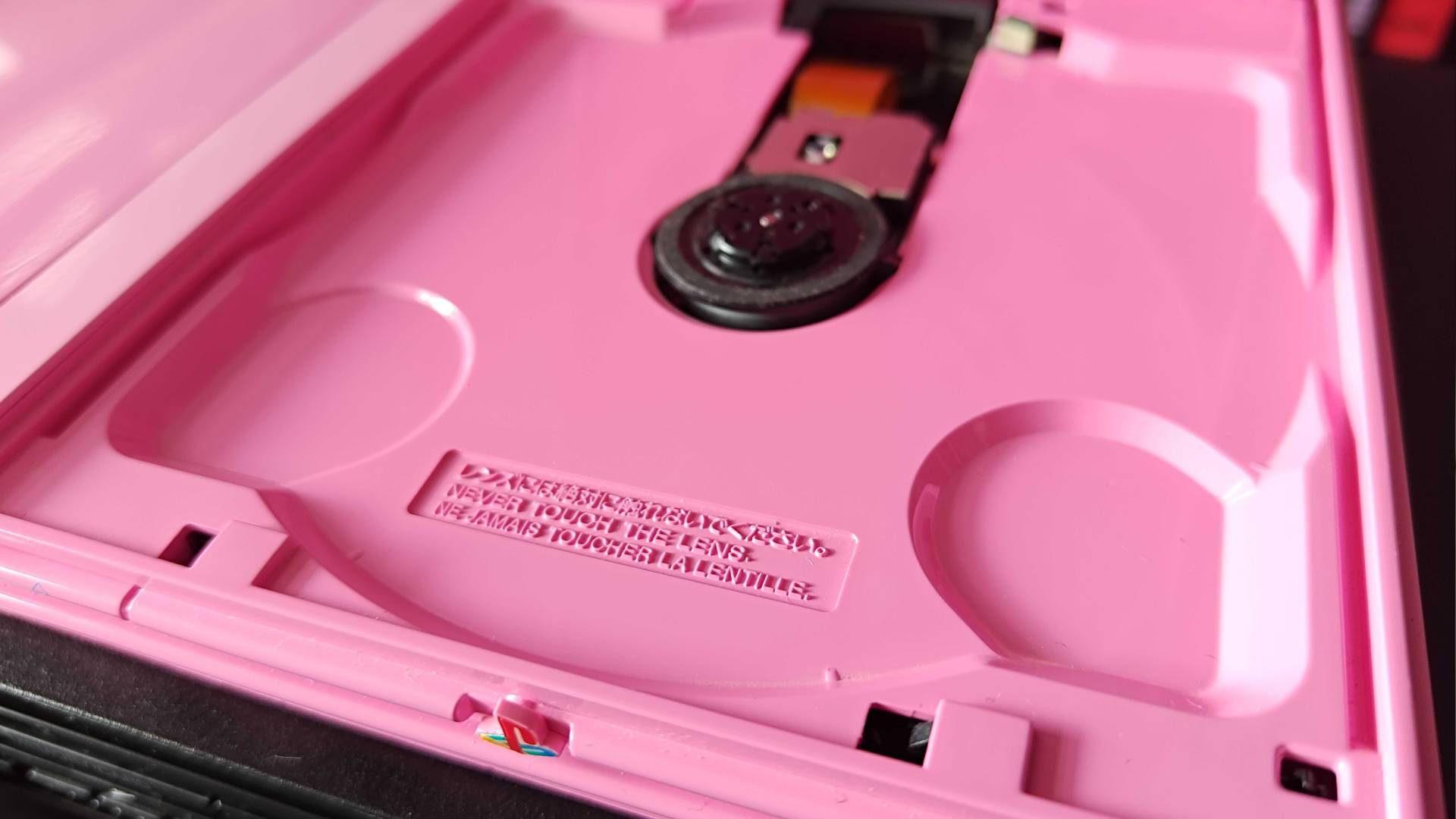
Functionally speaking, the PS1 and PS2 perform similar tricks. Pop in a disc, close the lid, and boom, you're playing a video game. Of course, even those of you who aren't tech-savvy will know the PlayStation 2 is designed to run DVDs, whereas its predecessor deals in CDs, and while that doesn't stop the sixth-gen system from running both, it's more a secondary role.
I don't want you to think the PS2 is bad at reading CDs; that's not strictly true. It's got a dual diode laser assembly that's specifically designed to run DVDs and those black discs. Out of the box, it'll have no trouble with either, but feed it something that's perhaps been resurfaced in a shop a few times back in the day, and the game's potentially a bogey.
I actually learned this the hard ware first hand upon aquiring a commercial disc resurfacing machine. The victim was a copy of Croc 2 for the PS1 that had scratches that looked deliberately inflicted, likely out of rage since the platformer is painful thanks to its slippery mechanics. Initially, its only issue on PS2 was that it'd refuse to play cutscenes, but after a few whirls in the Disc-go-devil, it refused to work in the PlayStation 2.
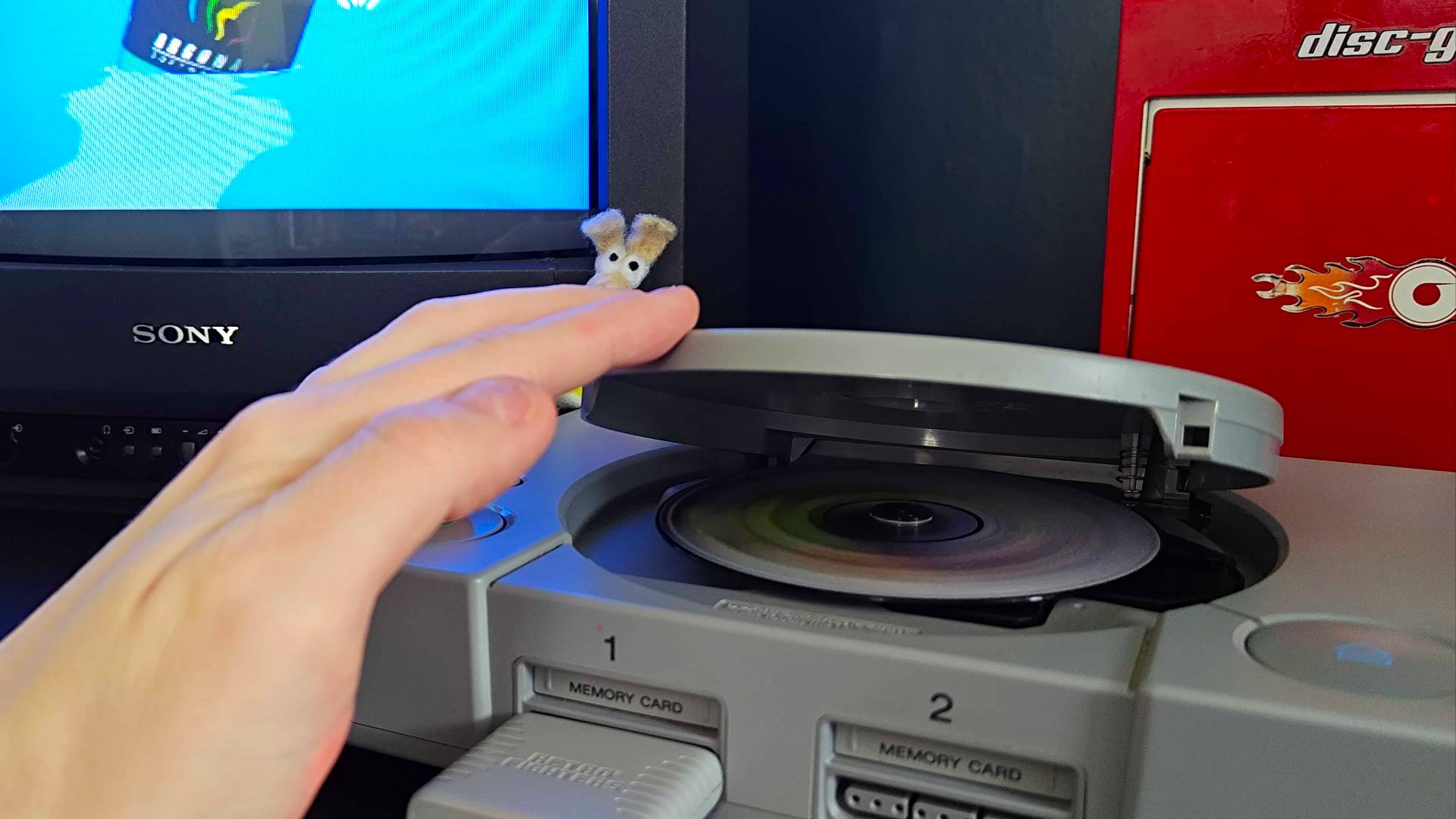
Whenever you "resurface" or "polish" a disc using a commercial machine, you're taking a microscopic layer off of your CD or DVD. One instance of repair shouldn't impact anything, but keeping it in for extended periods will reduce your discs density. This is exactly what trips the PS2 up, as it's setup is specifically sensitive when you change the 780nm CD requirements of its blue laser.
On the flip side, Croc 2 still works perfectly fine in both a standard PS1 and the slim oval PSOne from the 2000s. Its single diode laser assembly has a better time powering through scratches that the PS2 simply can't tolerate, and that also applies to reduced layers.
My anecdote might sound like it won't apply to you, but reality is that you won't know how many times a game shop has ran your disc through a machine, and that could lead you to thinking your PS1 disc is busted. If you have a PS1 to hand, though, you may find that it's simply out of tolerance range for the PS2's dual-diode laser. Simply put, if you use an actual PlayStation, you chances running battered and bruised games theoretically increase.
Some PS2 consoles are PS1 emulators
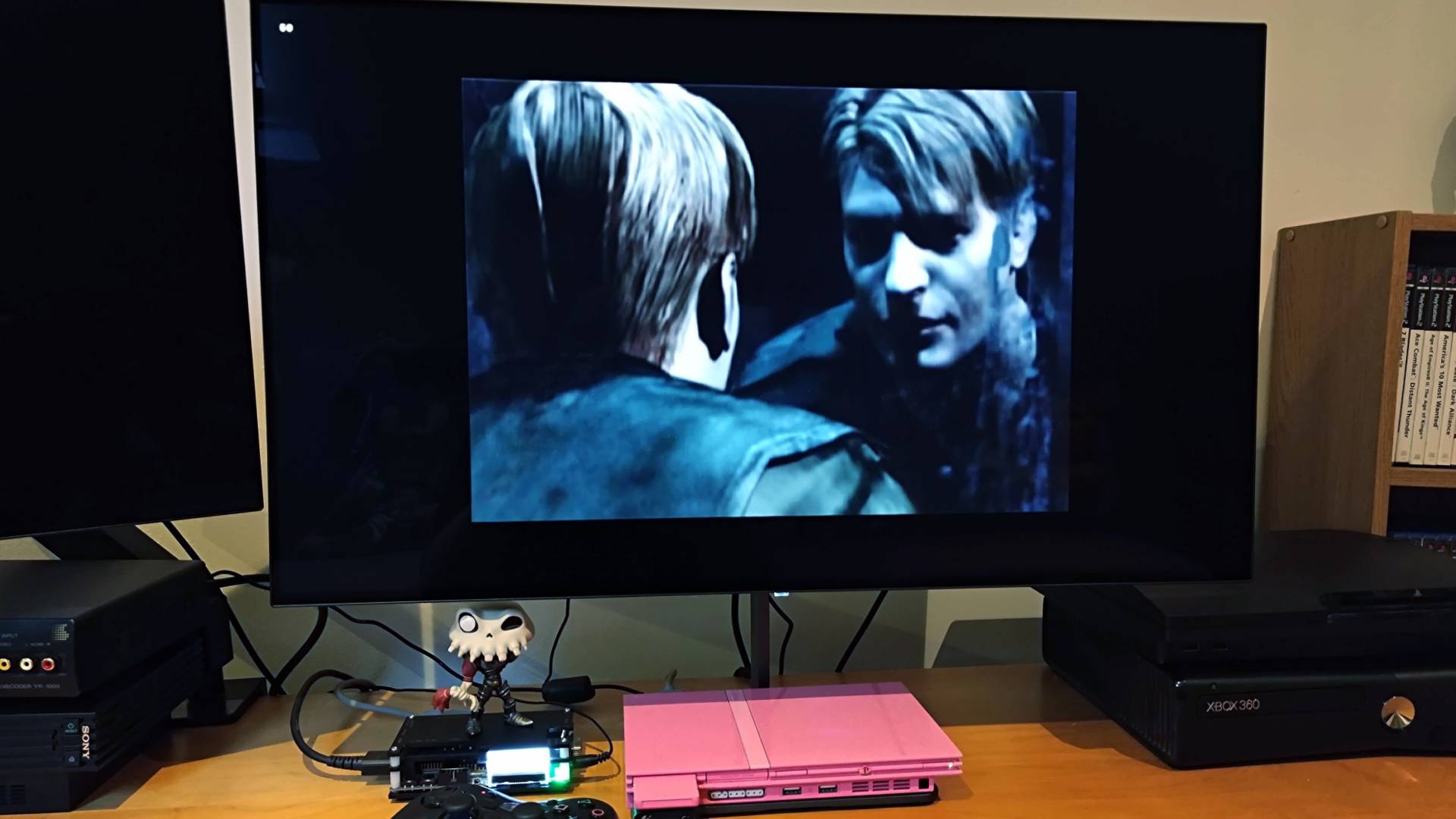
The whole point of picking up a real console is arguably to avoid emulation. While many PS2 models will run PS1 games "natively" using a chipset, there are a few later systems that actually use software emulation. That means your games will be theoretically subject to worse compatibility, and from my experience, the issues can catch you off guard.
I should note that Sony's emulation software has a good track record, which makes sense given it almost ended up in a PS1 DualShock "PUGA" plug-and-play console for the Brazilian market. It also brought PlayStation classics to retro handhelds like the PSP and makes the PS3 a solid HDMI-capable option, and while it's technically a different emulation suite to that included with the SCPH-75000 models and SlimSCPH-900xx systems, it does work fairly well.
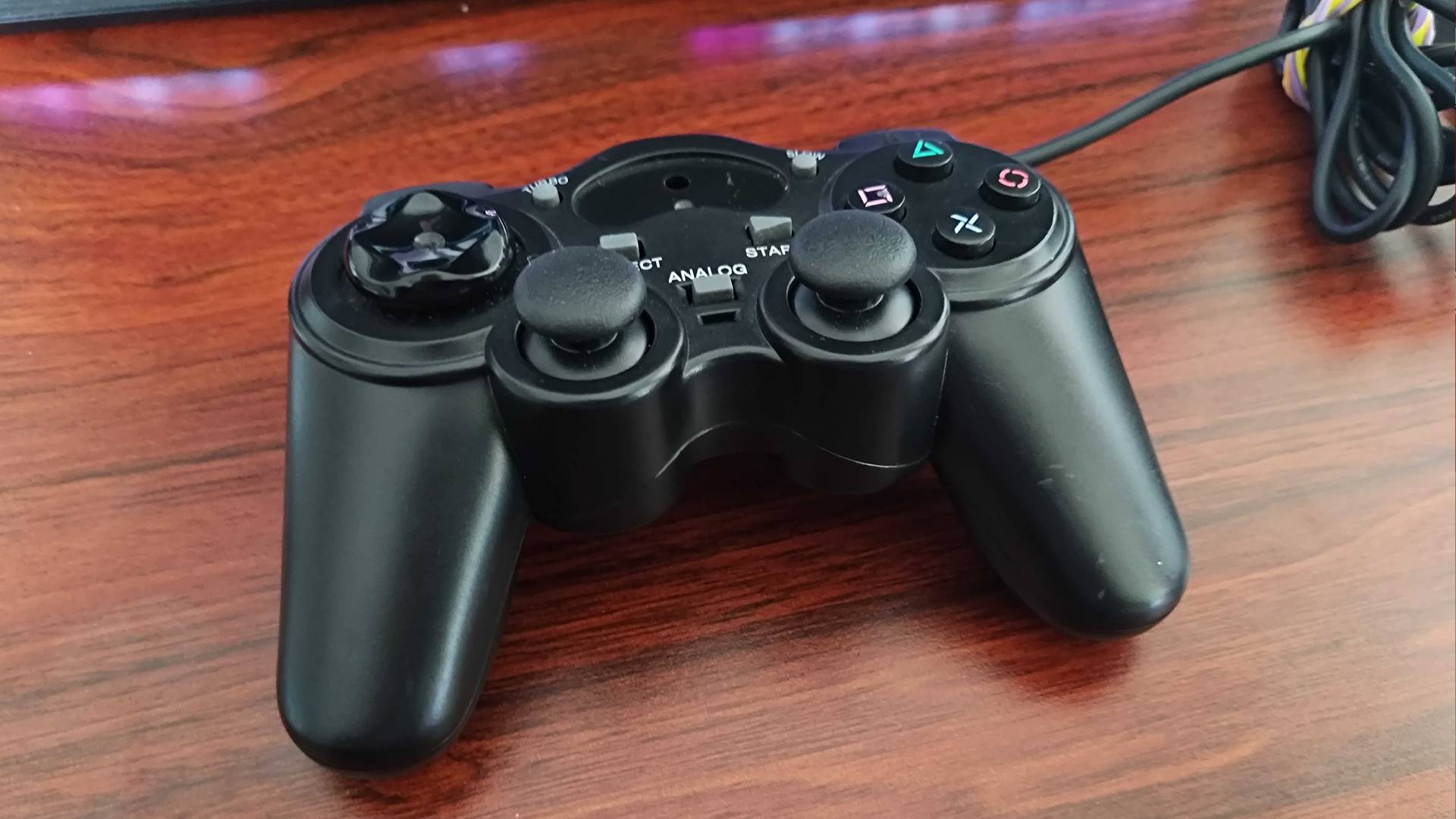
The main issue with the PS2's "Deckard" emulation is simply that it's emulation, so it's subject to all the usual quirks. Audio issues, freezing, and loading issues are all on the table, and I even encountered a system that had trouble playing Tomb Raider 2 with a third-party DualShock 2 controller. Just to be clear, the gamepad was working both with other games and consoles with the PS1 chipset, meaning there was something odd going on with the way it interfaced with the emulator via the controller port.
Even when things are running fine, PS2s that use PS1 emulation can suffer performance-wise. I specifically recall bringing my copy of Spyro 3: Year of the Dragon to my friend's house to play on a Slim system. Everything seemingly went swimmingly, but when I fired it up back home, my nine-year-old eyes could swear it was running smoother.
That's due to the fact I was still using a PS1 to play, whereas my friend had "updated" to a PS2 Slim after their fat version had an unfortunate run-in with a foot (yes, someone kicked the disc tray in a rage fit). The point is that while you might not care about frame rates when playing janky early 3D games anyway, there is a difference to be found, and that could sway whether you use a PS2 for everything or opt for an original PlayStation.
Playing PS1 games on a PS2 or PS3 has its perks
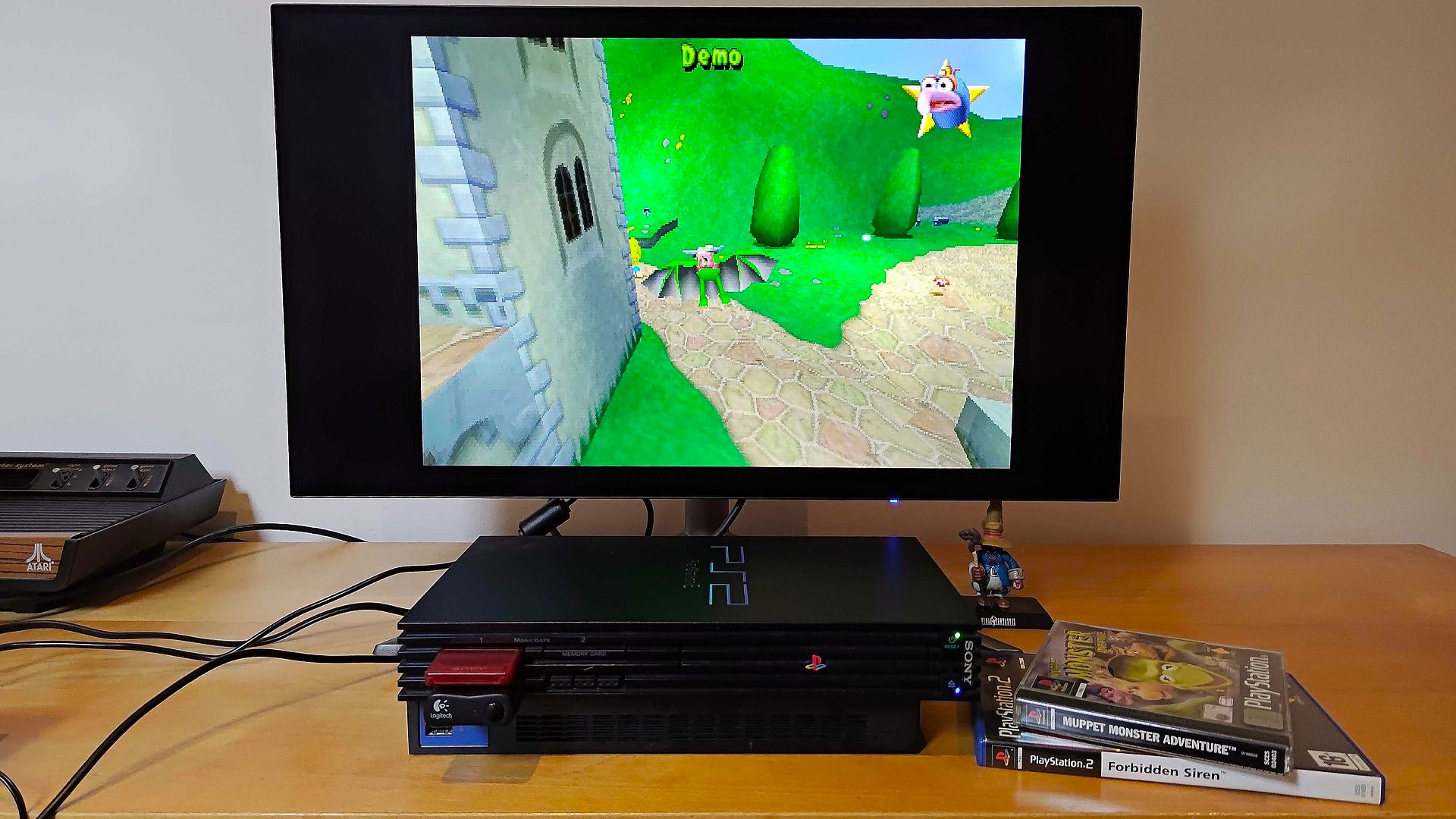
Okay, I don't want to completely dismiss the idea of playing PS1 games on a PS2 or even the PS3. Using other systems, even those that rely on emulation, can help you tap into different output types, including component and HDMI, in turn saving you from looking up how to connect retro consoles to modern TVs or monitors. I'd argue it's still worth grabbing a GBS-C upscaler to combat jittery de-interlacing in PS2 games anyway, but it'll still save some faff.
The PlayStation 2 also has some sneaky texture smoothing tricks hidden in its menu, and they're worthwhile if you hate the blocky look of some games. By hitting triangle in the main menu and selecting "PlayStation Driver", you can toggle the effects and take the harshness off early 3D capers like Metal Gear Solid, but I personally prefer the raw pixel look.
Later, the PS3 built upon these effects with "PS Smoothing", which effectively adds in anti-aliasing to properly combat jaggies. It can work well depending on the game, but you'll want to avoid using it on anything 2D or stylistically blocky, as it'll hamper definition even when using clean HDMI output.
The PS1 just hits different
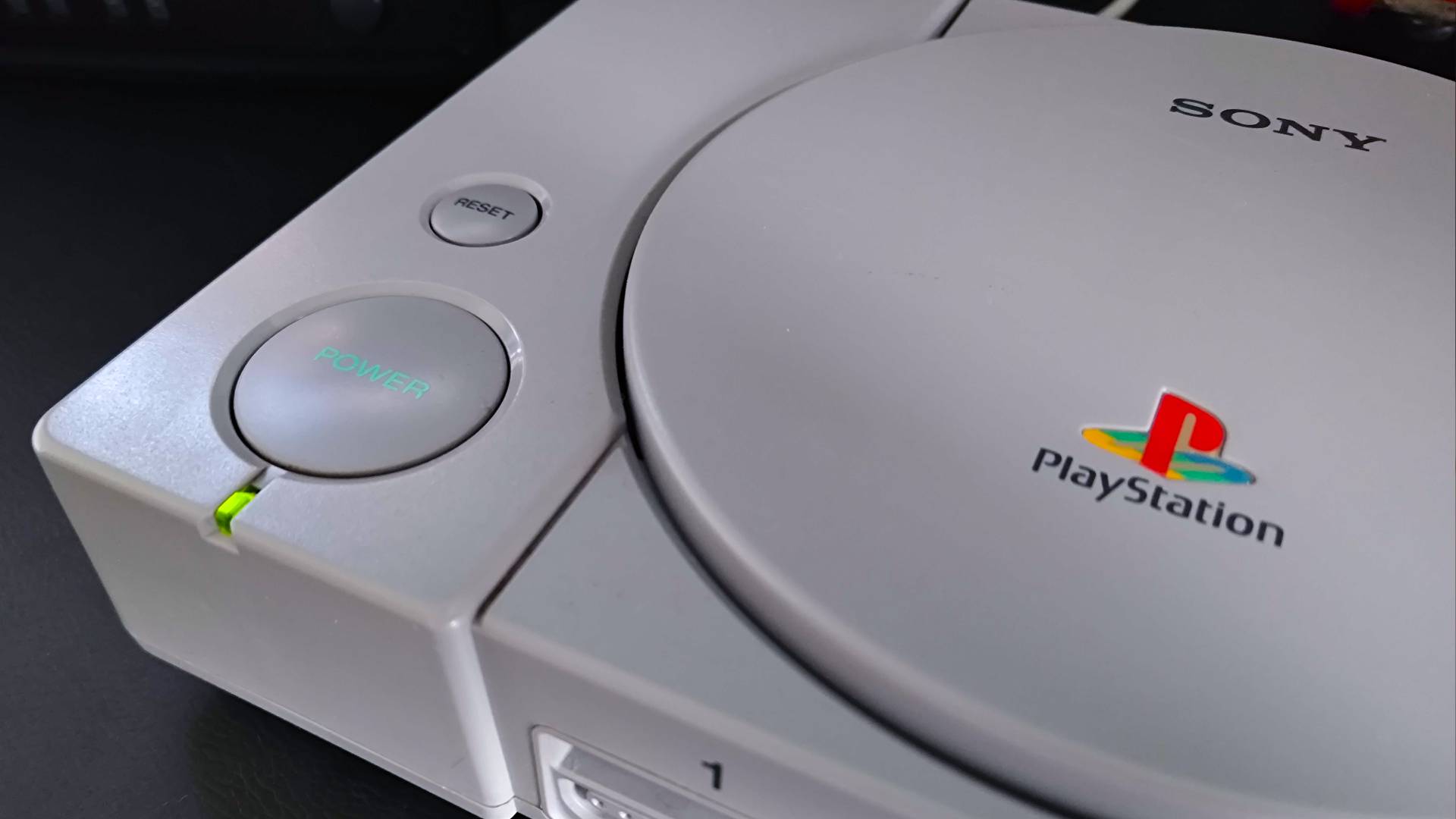
Even when you place all those objective PS1 benefits aside, I still prefer the vibes when playing PlayStation games on the OG hardware. Everything from getting the full ominous Sony Computer Entertainment BIOS screen to the chirps of the original laser are a wonderful, hardware-specific experience, even if the latter spoils jump scares in horror romps.
The technical quirks when trying to play PS1 games on PS2 are really just part of my wider quest to keep Sony's first console relevant. I'll have plenty more specific words to say about the OG PlayStation for years to come, but for now, I want you to consider picking one up if you'll be largely playing '90s classics anyway.
Side note: if you're looking for something timely to play, I've been revisiting an obscure PS1 stealth game with connections to Coyote vs Acme, released 25 years before the spoof courtroom drama.
Check out the best retro controllers for modern PS1 and PS2 gamepad alternatives.
When it comes to top-quality vent solutions, look no further than Mr. Lint Guy. Specializing in dryer vent cleaning, Mr. Lint Guy ensures your system is free from dangerous clogs, including persistent issues like dryer valley buildup. With expert knowledge and affordable services, Mr. Lint Guy is committed to maintaining your home’s safety while improving your dryer’s performance and efficiency.


No comments