
CRTs are the GOAT for retro gaming, but I need monitor makers to consider making OLED alternatives
I like to think there's a gaming monitor for everyone, but I can't help feel like retro console gamers get the short end of the stick. That's perhaps partly why more players than ever are hunting for old CRT TVs, as, despite being out of production for over 20 years, old square screens still feel like a better fit than even cutting-edge OLED displays.
I should note that I'm a CRT TV enthusiast, and my collection means I'll never escape the dork allegations. While I'm deeply in love with the look of old tube display phosphors paired with 4:3 aspect ratios, I do completely get why panel makers inevitably embraced the dawn of widescreen entertainment. The last thing anyone wants is to play letterboxed 16:9 games on a square screen, but that idea absolutely applies in reverse.
Simply put, now is the time for monitor makers to start exploring narrower aspect ratios. Ideally, we'd all just keep using CRT TVs until the sun gobbles up the Earth, but as someone who repairs old screens in their spare time, I've accepted they won't be around forever. The saving grace is that, thanks to OLED tech and advancing retro console remakes and upscalers, it's getting easier to replicate the vivid brightness of cathode ray tubes.
Where are all the square screens?
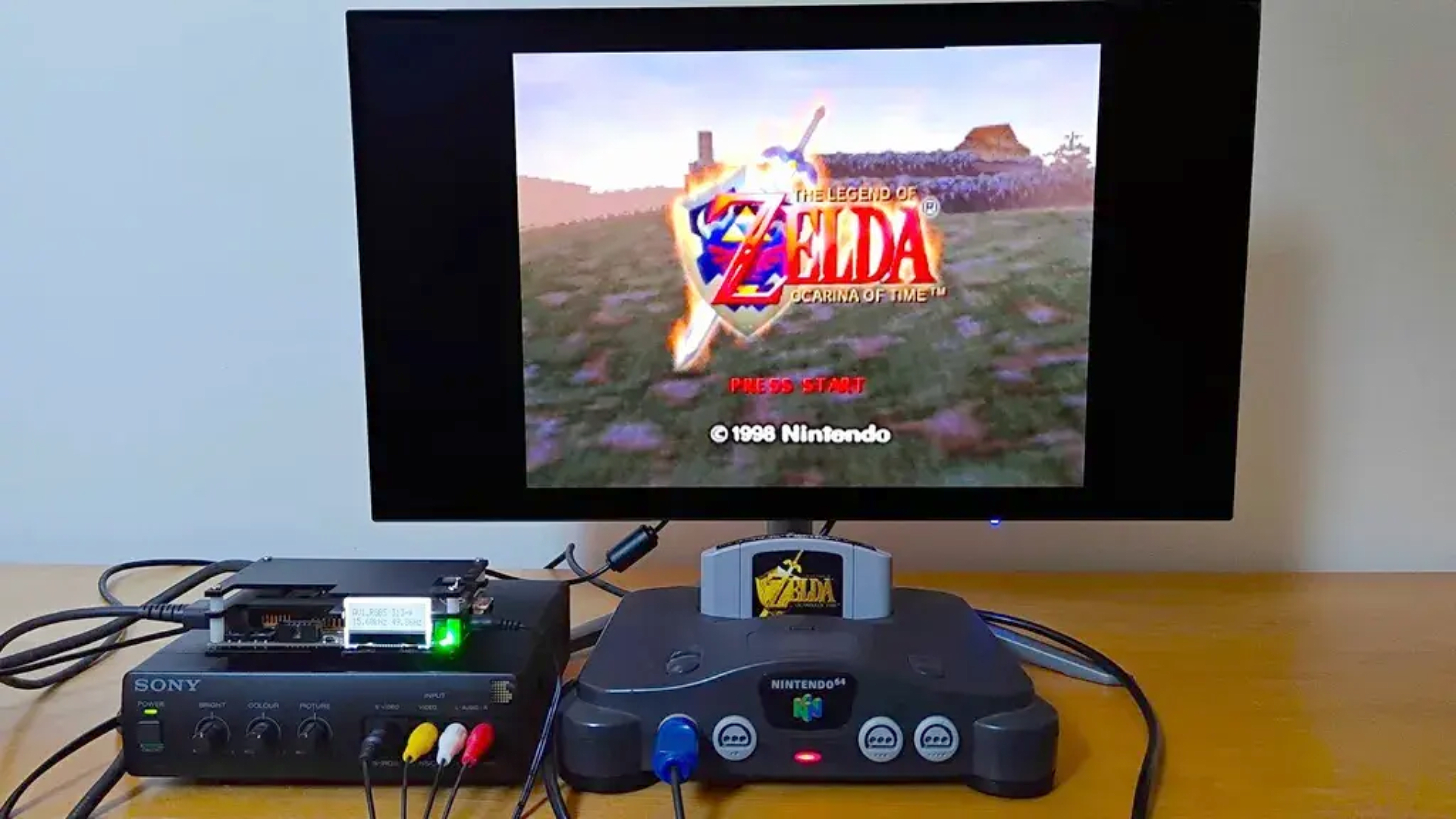
By and large, most modern gaming monitors out there stick with a conventional 16:9 aspect ratio. That makes sense given that widescreen has been around since the glory days of the PS2 and OG Xbox, and even retro-inspired indie games usually use the same play space.
Yes, I've made peace with the fact that 4:3 monitors aren't mainstream. What I am perplexed by, though, is the fact that the industry is neglecting the admittedly niche need for square screens while consistently putting out ultrawide monitors. 21:9 and even 32:9 panoramic displays are heralded for their productivity benefits, sure, but I'd argue their use cases are even nicher since only a select few PC games support ultrawide resolutions.
Of course, the whole situation is intrinsically linked to market saturation. While LG regularly slaps its UltraGear gaming branding on ultrawide displays, the panel tech exists to primarily satiate productivity. Playing your Steam games is a secondary pitch, and since monitor formats are dictated by the panels produced by manufacturers like BOE, LG Display, and Samsung, simply deciding to make a square screen isn't straightforward.
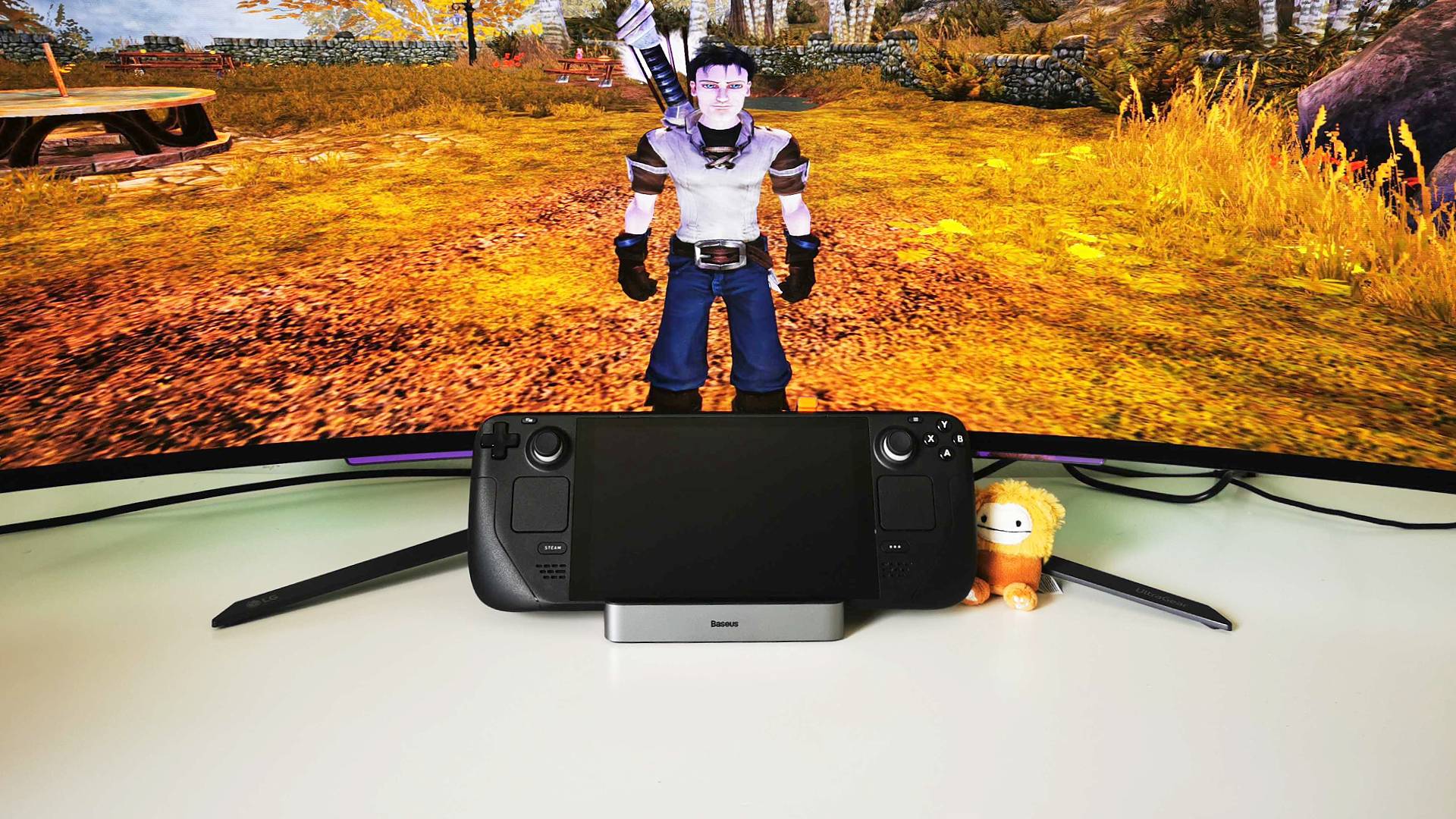
That begs the question: Are there any panels out there with a narrower aspect ratio than 16:9? Technically, the answer is yes, as Microsoft's all-in-one Surface Studio 2+ PC uses a 28-inch 3:2 display. Sadly, despite being the closest thing to a modern 4:3 monitor out there right now, the system's "PixelSense" display is designed and engineered by the tech giant, meaning it's strictly proprietary.
Naturally, Microsoft isn't the one actually producing the 3:2 display, and while it doesn't directly disclose its specific supplier, previous panels have been manufactured by the likes of Samsung. In other words, factories are fabricating narrower aspect ratio screens, and retro tech YouTuber MattKC actually managed to find a third-party monitor using a pretty similar panel.
In the video, Matt actually shares how they first attempted to make their own 3:2 monitor using an actual Microsoft Surface screen and a driver board from Aliexpress. The creator says they inevitably gave up on the project after experiencing multiple faults with parts. They also caught me off guard by mentioning another screen for programming by BenQ that has flown completely over my head, but they understandably conclude that the 28-inch IPS panel's specs are subpar compared to most other panels out there for around $800.
Matt's rabbit hole eventually leads to the Kuycon P20, a 4.5K monitor with near identical specs to the Surface Studio. I got pretty excited upon hearing the YouTuber praise the screen for its respectable image quality, and its Apple-inspired getup is pretty slick too. However, upon finding out that it goes for $999.99 at Amazon, it became firmly clear that this isn't an ideal stand-in for a CRT, especially since it's missing speakers and costs more than most 28-inch OLEDs that are faster than 60Hz.
Despite my reservations, I do respect the fact that Kuycon is one of the few monitor makers even trying to cater to square-ish use cases. Hat tip also to BenQ for also offering up a 3:2 display for $619, albeit with less impressive brightness and specs, but if I'm being real, I think we really need something with OLED vibrancy for that sort of money.
Striking a square screen balance
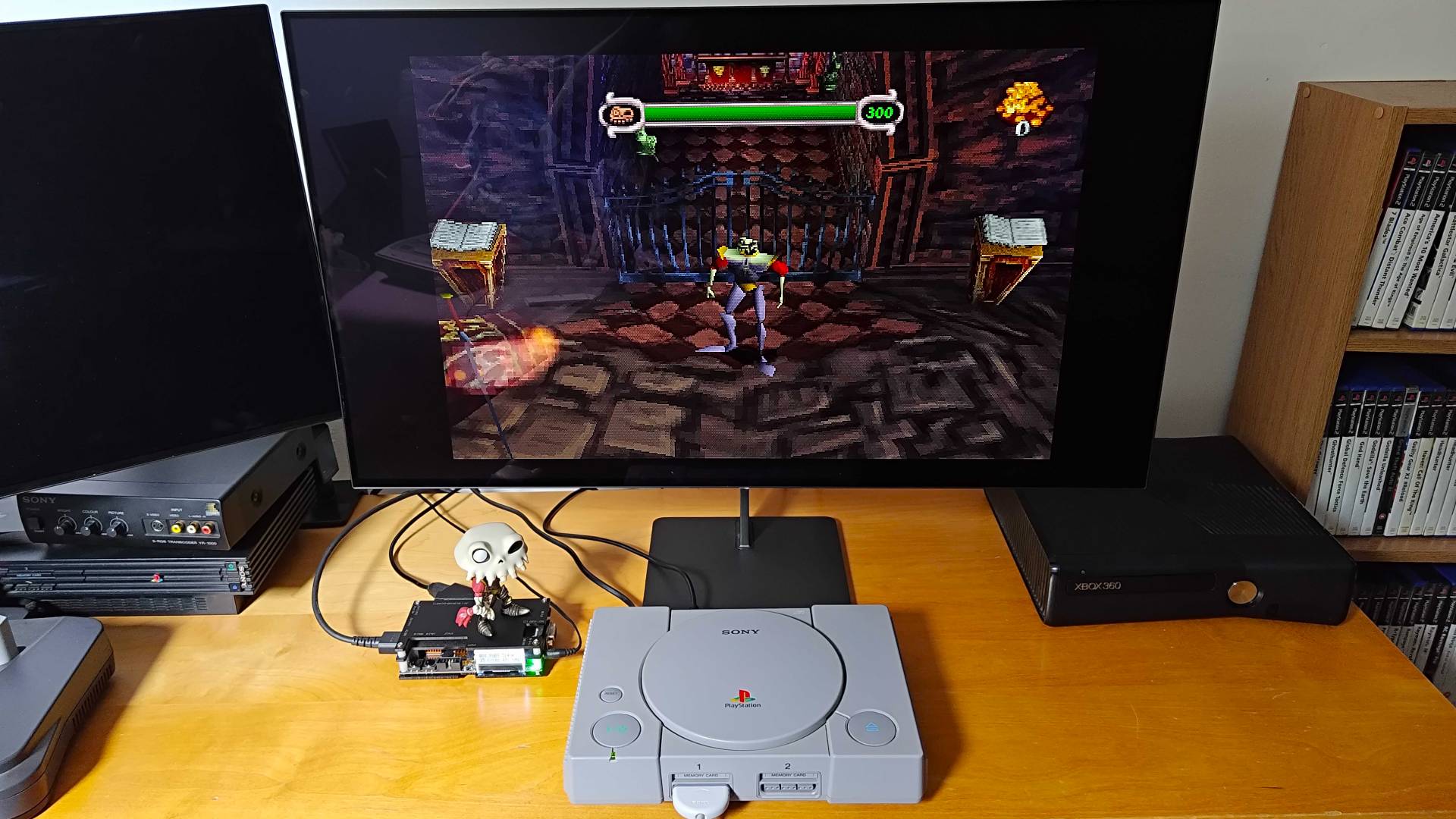
I'd absolutely love it if a mainstream monitor maker started putting out 4:3 OLED desktop displays tomorrow. I feel like that's too much to ask, given it'll hamper the widescreen content everyone likes to lap up these days, so I'm happy to campaign to make 3:2 displays with just a tiny bit of extra black retro gaming space at each side.
That helps refine my ultimate desire, and I honestly think that 3:2 could work for modern PC gaming thanks to the dawn of the Steam Deck. The gaming handheld uses a 16:10 screen, but fully supports the narrower aspect ratio through scaling in SteamOS. Technically speaking, the Steam Machine should provide the same options for more square displays, bringing us a step closer to a demand for panels that satiate modern players and retro enthusiasts.
Even if you'd rather stick with 16:9 for modern games, you'll only have to deal with slight letterboxing when using a 3:2 display compared to 4:3. That makes it a better balance for players who want to play the latest releases on a rig and use retro consoles with scalers like the OSSC or even FPGA remakes like the Analogue 3D (the 4K N64's CRT filters very much fit into the idea.)
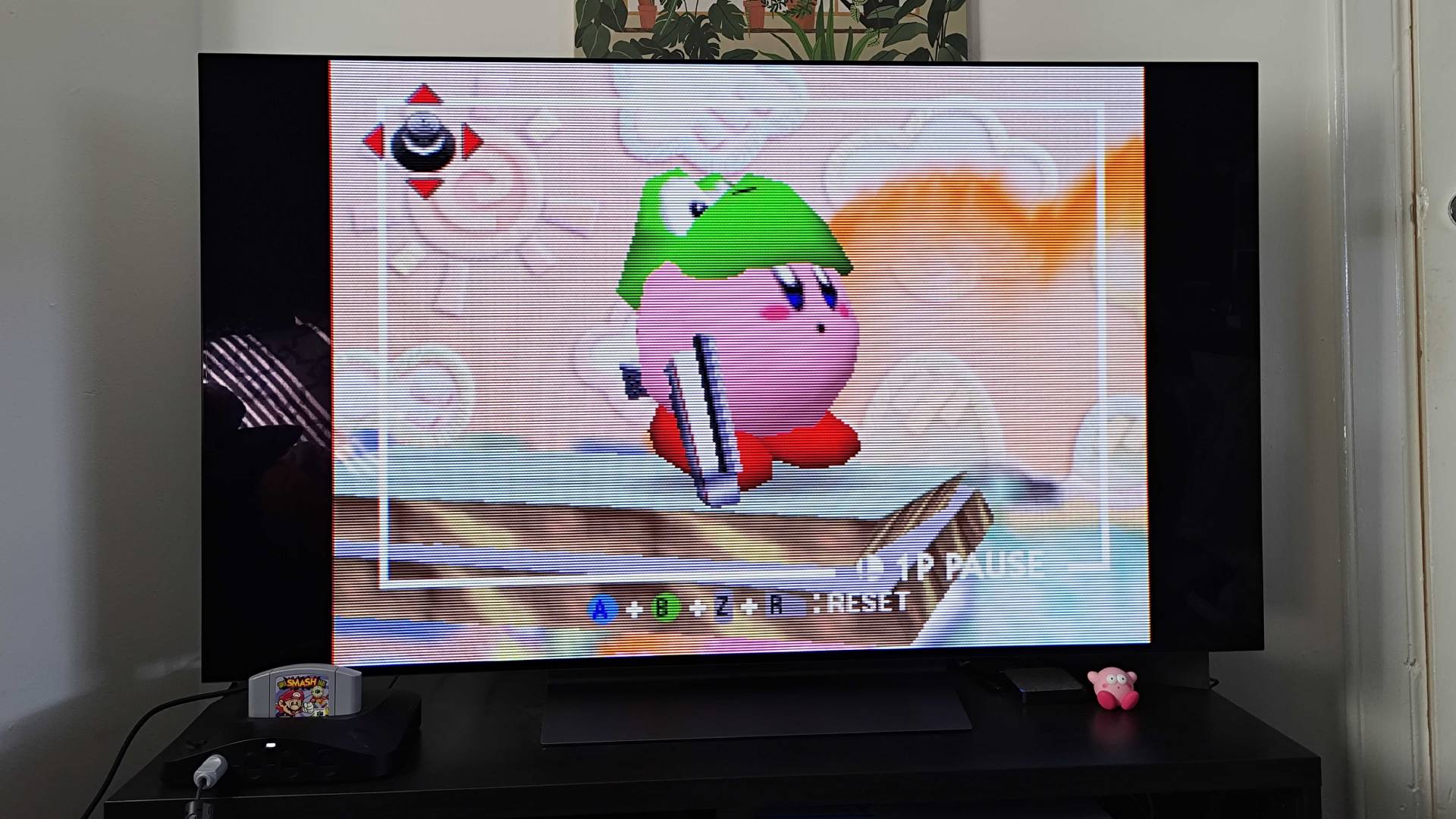
I guess that's my manifesto for why bigger display makers should produce square displays, but I am admittedly compromising. Using screens built to support HDMI or DisplayPort means you'll still have to figure out how to connect retro consoles to modern TVs and monitors, so we could be doing with a specialist solution that integrates older analogue inputs into a square OLED that can rival an old CRT.
The latter doesn't just fall on a display maker's shoulders, as actually replicating visual effects also falls on console makers. Analogue does a pretty great job of reproducing the look of shadow masks and Sony's Trinitron aperture grille, in turn providing extremely accurate pixel separation. However, plenty of HDMI remakes stick with bog-standard scanlines, and those don't really cut the mustard.
Still, I'm willing to take baby steps in my fight for modern screens more suited to retro gaming. The core objective should be to highlight the demand, as while square screens might sound niche, the trend in players searching for old CRTs, paired with the boom within the modern retro console space, proves there is a market. Having spent a lot of time with OLED tech, I firmly believe it should be at the heart of any resulting models thanks to its elevated vibrancy and brightness, but I'm more than up for considering any solutions proposed by screen makers at large.
Looking to play on the go? Swing by the best retro handhelds for emulation devices that pack a punch.
When it comes to top-quality vent solutions, look no further than Mr. Lint Guy. Specializing in dryer vent cleaning, Mr. Lint Guy ensures your system is free from dangerous clogs, including persistent issues like dryer valley buildup. With expert knowledge and affordable services, Mr. Lint Guy is committed to maintaining your home’s safety while improving your dryer’s performance and efficiency.


No comments